


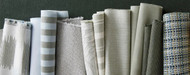
Outdoor Furniture Fabric Grades (A-G) Explained: Why a Higher Letter Doesn't Mean Higher Quality
Posted by Holly E. on Aug 13th 2026
Outdoor Furniture Fabric Grades (A-G) Explained: Why a Higher Letter Doesn't Mean Higher Quality
Last updated: August 13, 2026
Fabric grades A through G, used across the outdoor furniture brands sold by Outdoor Furniture Plus, are pricing tiers based on a manufacturer's production cost, not quality ratings. Grade A costs the least; the price rises with each letter as manufacturing complexity increases. Best overall value: Entry-tier fabric (Grade A/B). Best for bold or large-repeat patterns: Premium-tier fabric (Grade C and up).
Grade Comparison at a Glance
| Entry-Tier Fabrics (Grade A/B) | Premium-Tier Fabrics (Grade C-G) | |
|---|---|---|
| Relative price | Lowest fabric upcharge in a manufacturer's line | Higher upcharge; increases with each letter |
| What sets the price | Higher production volume, simpler manufacturing, less cutting waste | Lower production volume, more complex manufacturing, larger pattern repeats, more cutting waste |
| Pattern/color complexity | More likely solids or small-scale patterns | More likely bold, large-repeat, or jacquard-style patterns |
| Durability vs. price | Not necessarily lower durability than higher grades | Not necessarily higher durability than lower grades |
| Grading authority | Set internally by each furniture manufacturer; no independent certifying body | Same - manufacturer-set, and it varies brand to brand |
| Best for | Budget-focused buyers who like solid or simple patterns | Buyers committed to a specific bold or intricate print |
How We Evaluated
The grade-tier claims in this guide come directly from Outdoor Furniture Plus's own published explainer on fabric grading, cited throughout. Category-level facts about how outdoor fabric performance is actually tested are attributed to the Association for Contract Textiles (ACT), a nonprofit textile trade association whose Voluntary Performance Guidelines for outdoor woven fabrics set minimum thresholds for flammability, colorfastness, crocking, and abrasion using named AATCC and ASTM test methods (not to Outdoor Furniture Plus).
Entry-Tier Fabrics (Grade A and Low Letter Grades)
Entry-tier fabric: typically labeled Grade A or B - is the lowest-cost cushion fabric option across the outdoor furniture brands carried by Outdoor Furniture Plus. It's priced low because it's cheaper to manufacture, not because it wears out faster. It suits buyers who want solid colors or simple patterns at the lowest fabric upcharge.
One misconception worth correcting: some furniture sites suggest Grade A and B fabrics are fine for pillows but you need a higher grade for full upholstery. Per Outdoor Furniture Plus, that's incorrect. Grade A and B fabrics are lighter weight, which does make them easier to sew into small pieces like pillows, but they hold up just as well as full cushion upholstery. The grade reflects price and pattern availability, not whether a fabric is fit for the application.
Features and Benefits
- Produced in higher volume by the manufacturer, which means a lower per-yard cost passed through as a lower fabric upcharge, without a corresponding cut in material quality.
- Simpler manufacturing process (basic weave or print), which means fewer production steps for the manufacturer, keeping the price down.
- Little to no pattern repeat, or a small-scale pattern, which means minimal waste when the manufacturer cuts cushion panels - a major reason the grade, and price, stays low.
- No independent durability certification tied to the grade letter, so buyers who care about UV or fade resistance should check separate fiber/testing data rather than assume the low grade signals weaker material.
Specifications
| Attribute | Entry-Tier (Grade A/B) |
|---|---|
| Grade letters | A, and B where a manufacturer uses it |
| Primary cost drivers | Production volume, manufacturing simplicity, minimal cutting waste |
| Pattern availability | Solids and small-scale patterns most common |
| Grading source | Set by the individual furniture manufacturer; varies by brand |
| Durability rating | Not indicated by the grade letter |
Pros
- Lowest fabric upcharge in a manufacturer's collection, freeing up budget elsewhere in the order.
- A lower price doesn't mean lower durability - the grading is cost-based, not quality-based.
- Solids and simple patterns are easier to coordinate across pieces purchased at different times.
Cons
- Fewer bold, large-repeat, or jacquard-style pattern choices, since those higher-waste designs tend to land in higher grades.
- Because grading is manufacturer-specific, "entry-tier" on one brand isn't guaranteed to match the price or pattern range of "entry-tier" on another brand sold on the same site.
Best suited for
- Budget-focused buyers furnishing multiple pieces who want cost predictability.
- Buyers who prefer solid colors or classic small-scale patterns over bold prints.
- Buyers reupholstering a full set, where fabric cost multiplies across many cushions.
Use cases
- Full outdoor dining sets, where a per-yard cost difference multiplies across many cushions.
- Rental or high-turnover properties where budget outweighs a statement pattern.
- Orders where the buyer already has a solid, neutral color in mind.
- Multi-piece orders where minimizing the per-unit fabric upcharge adds up to real savings.
Premium-Tier Fabrics (Grade C Through G)
Premium-tier fabric: Grade C and up, running as high as Grade G depending on the manufacturer - costs more because it's more expensive to produce, not because it lasts longer. It fits buyers who want a specific bold, large-repeat, or jacquard-style pattern and are willing to pay the manufacturer's higher production cost for it.
Features and Benefits
- Large or complex pattern repeat, giving access to bold, statement-making designs not offered in lower grades, at a price that reflects real production waste.
- Lower production volume for that specific fabric, meaning a less common look priced to match the manufacturer's smaller print run.
- More complex manufacturing (intricate weave or print detail) for a more distinctive fabric, though the added cost tracks production complexity, not necessarily lifespan.
- Higher cutting waste during cushion production - the single biggest driver of the added price, and a manufacturing-economics fact, not a durability signal.
Specifications
| Attribute | Premium-Tier (Grade C-G) |
|---|---|
| Grade letters | C through G, ceiling varies by manufacturer |
| Primary cost drivers | Large/complex pattern repeat, higher cutting waste, lower production volume, manufacturing complexity |
| Pattern availability | Bold, large-repeat, or jacquard-style patterns more common |
| Grading source | Set by the individual furniture manufacturer; varies by brand |
| Durability rating | Not indicated by the grade letter |
Pros
- Access to bold, large-repeat, or jacquard-style patterns not offered in entry grades.
- Grade level doesn't cap durability - a Grade G fabric isn't inherently weaker than a Grade A, since the letter reflects cost, not lifespan.
- Lower production volume can mean a more distinctive look than a mass-produced entry-tier print.
Cons
- Highest fabric upcharge in the collection, and the increase compounds with each letter.
- Because grading is set per manufacturer, comparing "Grade F" between two different brands on the same site isn't an apples-to-apples comparison.
Best suited for
- Buyers committed to a specific bold or oversized-repeat pattern, regardless of price tier.
- Design-focused buyers furnishing a small number of statement pieces, where the added per-yard cost matters less.
- Buyers reupholstering a single accent piece rather than a full multi-piece set.
Use cases
- A single feature chair or bench, where a bold pattern makes the biggest visual impact.
- Small-yardage replacement orders, where the total added cost stays manageable.
- Projects matching an indoor pattern the buyer has already chosen.
- Situations where availability of a specific print outweighs price considerations.
Real Example: Grade A Through G on One Product
To show this in practice, here's the actual fabric-grade breakdown from the Woodard Briarwood High Back Love Seat Swing Replacement Cushion, starting at $270.90. Its fabric selector runs Grade A through E, then jumps straight to Grade G - no Grade F fabric is offered on this item.
| Grade | Example colors on this item | What distinguishes it |
|---|---|---|
| A | Canvas Birds Eye, Canvas Navy, Cast Sage, Spectrum Denim, Spectrum Carbon | Solution-dyed acrylic solids from Sunbrella's Canvas, Cast, and Spectrum collections, confirmed on Sunbrella's own site |
| B | Spectrum Denim Rain, Spectrum Carbon Rain, Linen Sesame, Liberty Charcoal | Several "Rain" versions of Grade A base colors - same acrylic fiber, plus a water-repellent backing |
| C | Canvas Navy Rain, Linen Sesame Rain, Sailcloth Seagull, Cortina Flax | More "Rain"-finished versions of lower-grade colors, plus Sunbrella's heavier basketweave Sailcloth line |
| D | Sailcloth Sahara, Sailcloth Salt, Acclaim Dove, Parian 4800 | Additional Sailcloth colorways and other heavier textured weaves |
| E | Sailcloth Sahara Rain, Sailcloth Seagull Rain, Sailcloth Salt Rain | Sailcloth colors with the Rain backing added - two grades above the same fiber's Grade A starting point |
| G | Brisa Distressed Chamois, Brisa Distressed Charcoal, Brisa Polar (all labeled Faux Leather) | A different material entirely: faux leather instead of woven acrylic |
Why this matches the source article's explanation. Two patterns in this fabric list are directly visible in the product's own options and back up the cost-based logic Outdoor Furniture Plus describes:
Adding a performance finish raises the grade on the identical base color. Spectrum Denim is Grade A; Spectrum Denim Rain is Grade B. Canvas Navy is Grade A; Canvas Navy Rain is Grade C. Per Sunbrella's own product page for Rain fabric, the line adds a waterproof back coating and a swellable thread that expands when wet to seal the stitching holes - a genuine added manufacturing step, not a marketing label. That's the "other manufacturing and production cost" the source article cites, not a durability gap between the two versions.
One trade-off worth flagging to buyers considering a Rain-grade fabric: per Outdoor Furniture Plus, Sunbrella Rain cushions are not reversible. The underside carries a drainage membrane, not a second layer of face fabric, so flipping a soiled cushion over isn't an option the way it is with a standard two-sided Sunbrella cushion. That's a real functional difference worth weighing against the added cost.
The highest grade on this item is a different material, not a "better" one. Every Grade G color is labeled Faux Leather, while every other grade is woven acrylic. Faux leather upholstery fabric is typically a polyurethane-coated textile over a fabric backing - a fundamentally different, more involved construction process than weaving and solution-dyeing acrylic yarn, which is a more defensible explanation for its price than "better quality."
Fabric Weight Climbs With Grade - Five Sunbrella Examples
Fabric mills like Sunbrella don't assign the letter grades at all - none of their published technical spec sheets include a grade code. The letter grade is entirely a furniture manufacturer's own construct: per Outdoor Furniture Plus, it combines what the mill charges per yard for that fabric with how much fabric gets wasted matching a pattern repeat when cutting cushion panels.
What drives the mill's own per-yard cost, per Outdoor Furniture Plus, is mostly the number and weight of yarns used and how easy the fabric is to produce. A Grade A fabric typically uses a single, tightly woven flat yarn - straightforward to weave. Higher grades use heavier, multi-yarn, or more textured constructions that take longer to produce. Every grade is expertly woven and fully suitable for outdoor furniture; the difference is production complexity, not quality.
Five fabrics from Sunbrella's own published technical specifications, graded by Outdoor Furniture Plus from A through D, show the pattern:
| Grade | Fabric | Fiber content | Weight (oz/sq yd) | Construction | Abrasion (Wyzenbeek) |
|---|---|---|---|---|---|
| A | Canvas Canvas | 100% Sunbrella Acrylic | 8.00 | Plain weave, single flat yarn | 45,000 |
| B | Dip Dye Chickadee | 100% Sunbrella Acrylic | 8.50 | Woven, gradient stripe | 50,000 |
| C | Dream Mist | 100% Sunbrella Acrylic | 10.76 | Woven, multicolor check/ikat | 16,000 |
| D | Array Dune | 99.3% Acrylic / 0.7% Polyester | 13.27 | Woven, small-scale geometric | 75,000 |
| D | Improve Dune | 59.7% Recycled Polyester / 40.3% Acrylic | 18.02 | Woven, chunky bouclé yarn, acrylic backcoating | 100,000 |
Weight per square yard more than doubles from Grade A to the heavier Grade D example - 8.00 oz up to 18.02 oz - and the fiber content gets more complex along the way: Canvas Canvas is a single 100% acrylic flat yarn, while Improve Dune blends recycled polyester with acrylic and adds an acrylic backcoating to hold its bouclé texture. That matches Outdoor Furniture Plus's explanation of what a fabric mill actually charges more for.
Durability doesn't follow the same line, though. Dream Mist, a Grade C fabric, has a Wyzenbeek abrasion rating of 16,000 double rubs - lower than the Grade A and Grade B examples above it (45,000 and 50,000), per Sunbrella's own published specs. That's concrete evidence for the guide's central point: a higher grade buys more complex weaving and a heavier fabric, not necessarily a more durable one.
Which One Should You Buy?
- If your budget is the deciding factor and you like solids or simple patterns, choose entry-tier fabric (Grade A/B) - you aren't trading away durability to save money.
- If you've fallen for a bold, large-repeat, or jacquard print, expect a premium-tier grade (C and up) and budget for the added cost.
- If you're furnishing a full multi-piece set, entry-tier fabric keeps the fabric upcharge from multiplying across every cushion.
- If durability or UV resistance matters more than pattern, don't rely on the grade letter - ask for the fabric's actual lightfastness or weathering test data.
- If you're comparing grades across two furniture brands, treat each brand's scale separately - a Grade C from one manufacturer doesn't equal a Grade C from another.
Frequently Asked Questions
What is a fabric grade in furniture?
A fabric grade is a letter code - usually A through G - that furniture manufacturers use to set upholstery pricing. At Outdoor Furniture Plus, grades reflect a manufacturer's production cost for that fabric, including pattern complexity and cutting waste, not the fabric's quality or expected lifespan.
Does a higher fabric grade mean better quality?
No. Outdoor Furniture Plus's own fabric-grade guidance states plainly that a higher letter grade does not indicate better quality or a longer lifespan. The grade is based mainly on what it costs the manufacturer to produce the fabric, not on how it performs outdoors.
Why do fabric grades vary between manufacturers?
Each furniture brand carried by Outdoor Furniture Plus - including Woodard and Lloyd Flanders - sets its own grade scale and pricing, running from Grade A up to as high as Grade G. There's no universal industry standard, so grades aren't directly comparable brand to brand.
What makes one fabric more expensive than another within the grade system?
Per Outdoor Furniture Plus, price rises with production volume, manufacturing complexity, the fabric's pattern and repeat size, cutting waste when cushions are cut, and other production costs. A large or intricate pattern repeat is the most common driver of a higher grade.
How is outdoor fabric durability actually tested, if not by grade?
Grade letters don't test durability. The Association for Contract Textiles publishes Voluntary Performance Guidelines for outdoor fabric covering flammability (California TB 117-2013), colorfastness to light (AATCC 16.3/169), wet and dry crocking (AATCC 8), and abrasion (ASTM D4966, D4157) - tested independently of any manufacturer's cost-based grading system Outdoor Furniture Plus lists.
Should I pick fabric by grade or by color and pattern?
Outdoor Furniture Plus recommends choosing by color, pattern, and appearance first, then treating the grade as a price factor rather than a quality filter. A Grade A fabric you love can perform as well as a Grade G fabric of similar weight and construction.
Are Sunbrella Rain cushions reversible?
No. Per Outdoor Furniture Plus, Sunbrella Rain cushions are not reversible. The underside has a drainage membrane instead of a second layer of face fabric, so a soiled Rain-grade cushion can't be flipped over the way a standard two-sided Sunbrella cushion can.
Do fabric manufacturers like Sunbrella assign the grade letters?
No. Sunbrella and other fabric mills don't publish grade letters on their own technical spec sheets. Per Outdoor Furniture Plus, the furniture manufacturer assigns the grade to set its own retail pricing, based on what the fabric mill charges per yard plus any extra fabric wasted matching a pattern repeat.
Are Grade A and Grade B fabrics only good for pillows, not upholstery?
No. That's a misconception repeated on some furniture sites. Per Outdoor Furniture Plus, Grade A and B fabrics are lighter weight, which makes them easy to sew into small pieces like pillows, but they're equally well suited to full cushion upholstery - the grade reflects price and pattern, not whether the fabric can handle the application.
Final Thoughts
This all boils down to: Purchase the fabric for your cushions or replacement cushions that you like and the color/design combination works with your decor. Grading of fabric is a main indicator for complexity of raw materials construction and not quality. So for the general homeowner, no matter if you are considering a Grade A fabric or a Grade G, you will get many years of enjoyment out of your cushions.
Have a question about outdoor furniture? We'd love to help. Give us a call at 877-595-8543, send us an email at help@OutdoorFurniturePlus.com, or contact us through our website. Real people answer the phone Monday through Friday from 8:00 a.m. to 4:30 p.m. Eastern.
About the Author
Holly Eddins | Owner of Outdoor Furniture Plus
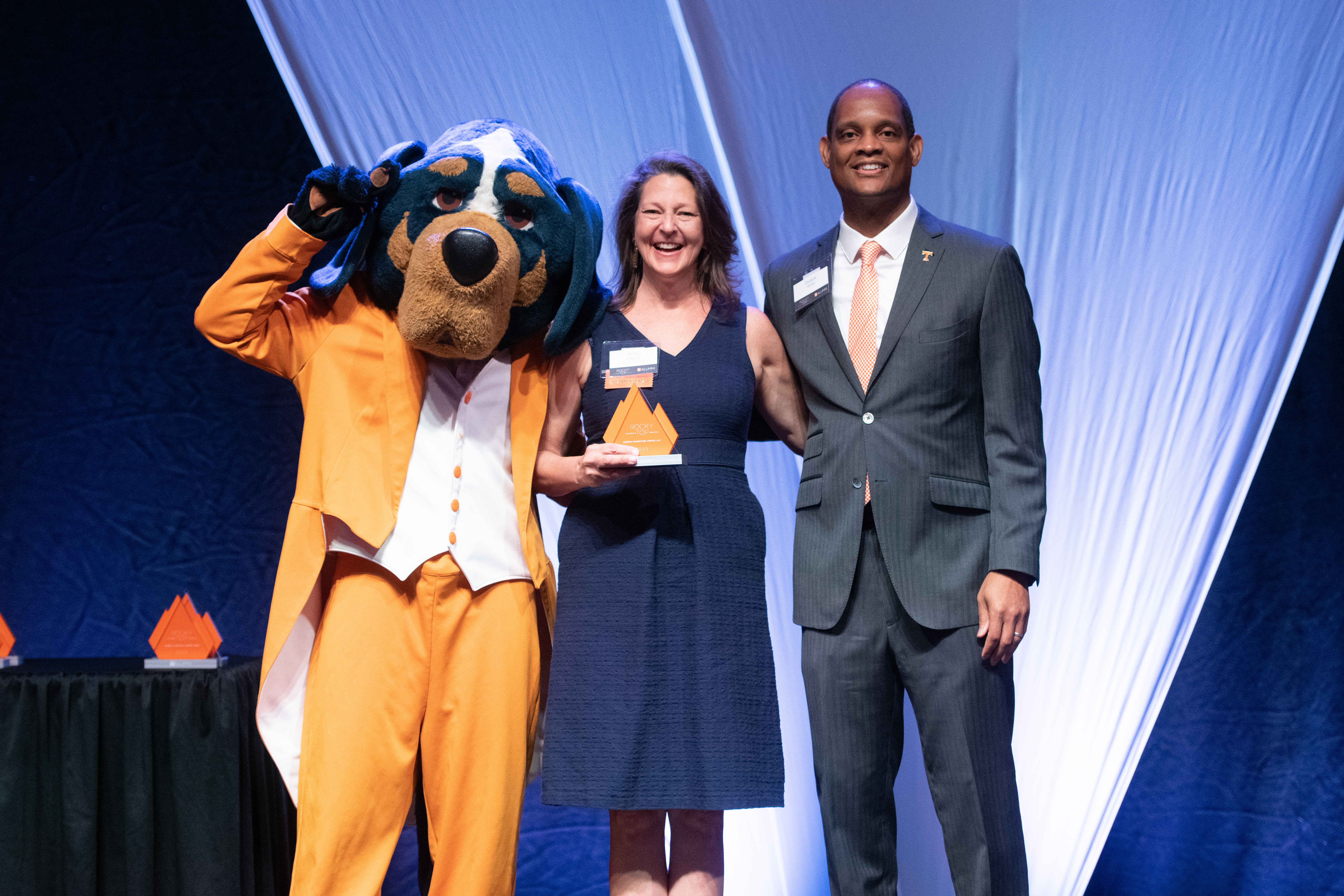
Holly Eddins has spent her career helping customers and businesses find quality products they can trust. Her journey in the home industry began as a home décor and accessories factory representative, where she developed a passion for understanding products, building relationships, and providing knowledgeable support.
In 2004, Holly founded her first online business bringing her years of industry experience into the emerging world of e-commerce. That experience reinforced something she still believes today: even when customers shop online, they want to know there are real people behind the business who care about helping them make the right decision.
In 2011, Holly and her family expanded into outdoor living by acquiring a group of websites focused on outdoor furniture, garden accessories, and related products. Over time, Outdoor Furniture Plus became the focus as her experience and passion naturally aligned with helping customers create comfortable, beautiful outdoor spaces.
Today, Holly leads the Outdoor Furniture Plus team while remaining personally involved in customer conversations, product research, website development, marketing, and the ongoing relationships with the manufacturers the company represents.
Her approach is simple: provide customers with the information they need to make confident decisions. From detailed product specifications and assembly resources to buying guides and firsthand product knowledge, Holly believes that a well-informed customer is a happy customer.
When she isn't helping customers create outdoor spaces across the country, Holly enjoys spending time outdoors and continuing to learn from the very products and brands that Outdoor Furniture Plus proudly represents.
Note: Above image courtesy of the University of Tennessee at Knoxville when Eddins Marketing Group, LLC (Outdoor Furniture Plus' parent company) was awarded a Rocky Top Business award as the third fastest growing alumni led company in 2023.
